
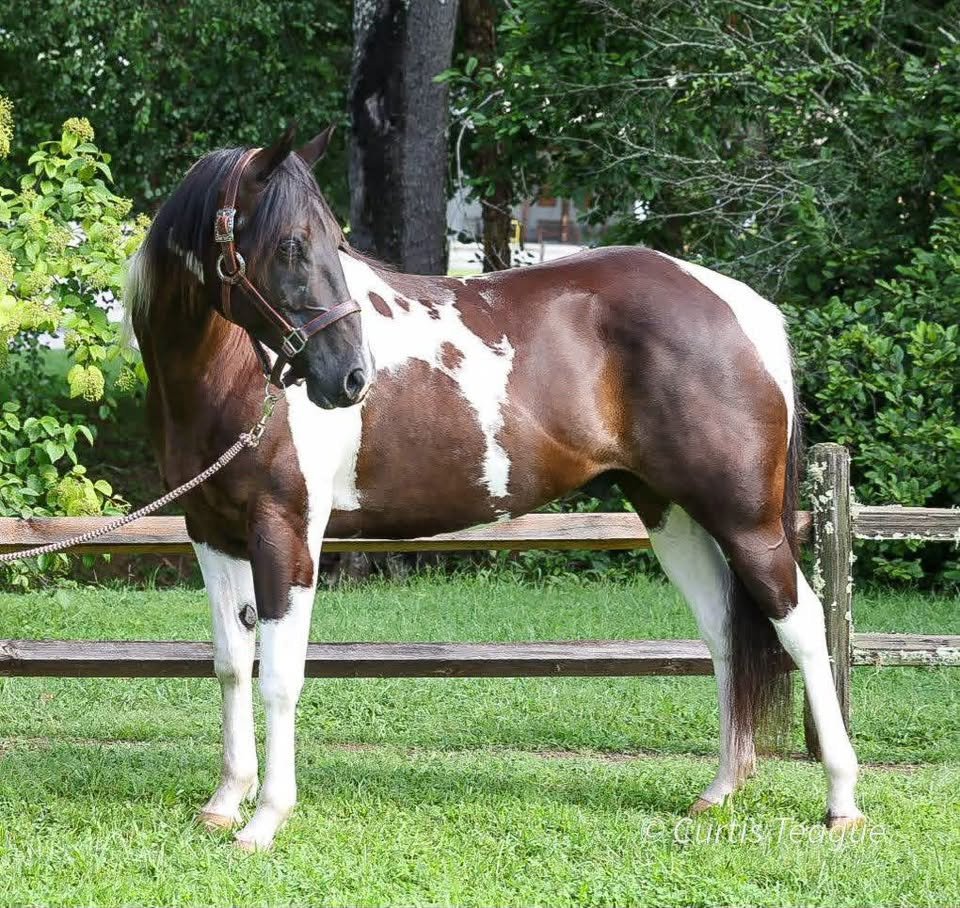
“Beginner safe” is one of the most used phrases in horse listings, and one of the least defined. For a first-time or returning rider it is also the most important. Here is what a genuinely beginner-safe horse looks like, and how to check for yourself.
Age and experience matter more than breed
Most beginner-safe horses are between about 10 and 20 years old and have done a lot of ordinary work: trail rides, lessons, ranch jobs, 4-H or family riding. Quarter Horses, Paints and Draft crosses are popular because many have calm temperaments, but every horse is an individual. A sensible 14-year-old of any breed is usually a better first horse than a beautiful 5-year-old.
10 signs of a beginner-safe horse
- Easy to catch in the field and stands quietly while haltered.
- Good ground manners: leads politely, does not crowd you, picks up all four feet.
- Stands still for grooming, tacking up and mounting from either side.
- Forgiving under saddle: tolerates loose reins, an unsteady seat and mixed signals.
- More “whoa” than “go”: stops reliably and does not rush.
- Calm about the unexpected: traffic, dogs, flapping plastic, bikes and other horses.
- Happy alone or in company without calling or napping back to the barn.
- Good for the farrier and vet, and loads into a trailer without a fight.
- No vices such as bucking, rearing, biting or kicking.
- Consistent day to day, not just after a long lunge or a hard ride.
How to test it when you visit
Ask to arrive before the horse has been worked. Catch and groom the horse yourself, pick up its feet and tack it up. Watch someone else ride first, then ride at walk, trot and, if you are comfortable, canter. Ask to ride outside the arena too. If the seller insists on riding or lungeing the horse for a long time before you get on, ask why.
Questions worth asking:
- Who rides the horse now, and how experienced are they?
- Has a child or beginner ridden the horse recently?
- How does the horse behave after a week off?
- Is the horse on any calming supplements or medication?
Have the vet check for pain
Many “naughty” horses are actually sore. A pre-purchase exam by your own vet checks soundness and can include a blood test to make sure the horse has not been given sedatives or painkillers before your visit.
Be wary of these phrases
“Needs a confident rider”, “green but willing”, “just needs miles”, “forward” and “sensitive” can all describe lovely horses, but not usually ones for beginners.
Looking for a steady first horse? Browse our trail and family horses and all horses for sale, each listed with rider level and temperament.